Check My Bug
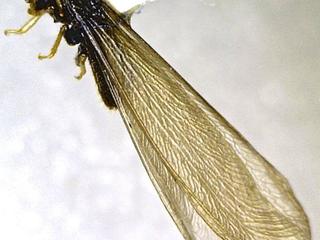
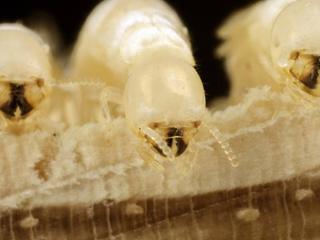
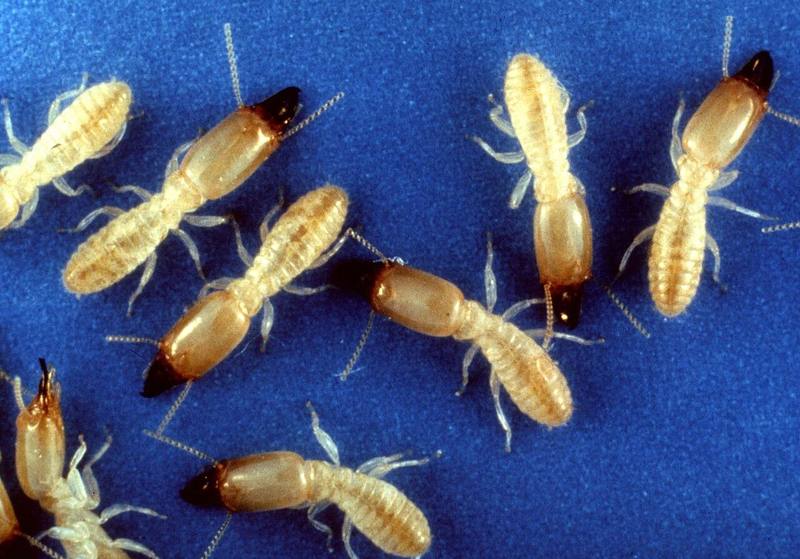
Subterranean termite (worker and swarmer)

What does a subterranean termite look like?

Subterranean termite (worker and swarmer) (Reticulitermes spp. (R. flavipes east); Coptotermes formosanus (Formosan, Gulf Coast))

How serious: Urgent

Tonight

  1. Look for pencil-wide mud tubes on the foundation, piers, or the inside of basement walls.
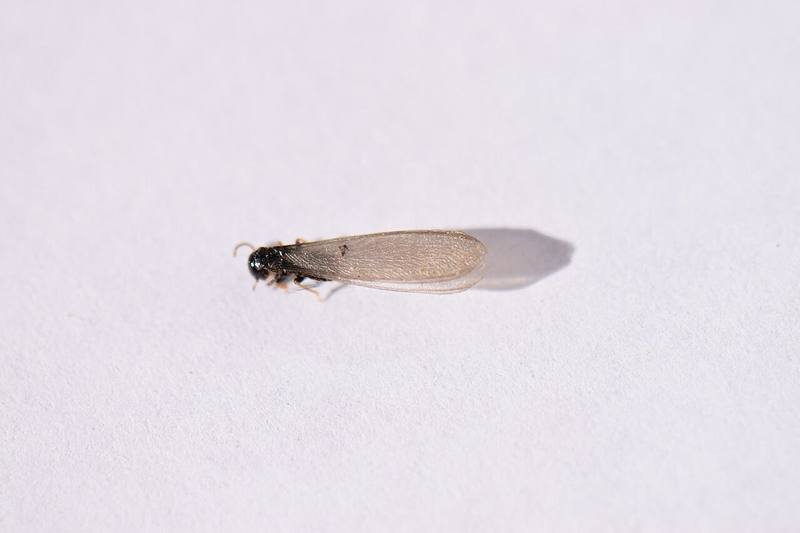
  2. Collect shed wings or swarmers in a bag for identification; termite wings are equal in length and about twice the body.
  3. Probe soft, blistered or hollow-sounding wood near the floor with a screwdriver and photograph what you find.

Our verdict

Call a pro

Subterranean termites live in the soil and attack a structure from below, and control requires soil treatment or bait systems with specialized equipment; misapplied DIY products just move them.

Call a pro if: Call a licensed termite company as soon as you see mud tubes, swarmers indoors or damaged wood; this is a structural emergency for the property owner, not a tenant task.

Have a local pest pro call you

Free. We pass your request to a licensed pest company that serves your zip.

We identify your bug and connect you with local licensed pest pros.

Have a photo? Send it to a local pro instead.

Rather do it yourself? Read what works and what to skip.

Prefer DMs? Comment BUG on our Instagram and we reply with your result.

Photo: USDA Agricultural Research Service (photographer not recorded), image K8085-6 (Public domain)
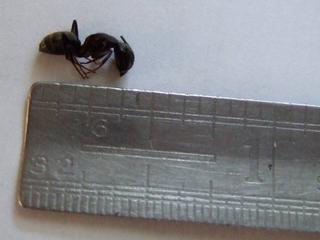
More photos

Subterranean termite (worker and swarmer)
PumpkinSky (CC BY-SA 4.0)

How to confirm it

  • Also called: termite, white ant, termite swarmer, mud tubes
  • Color: creamy white (workers), dark brown or black with smoky wings (swarmers), pale with orange head (soldiers)
  • Season: Swarms happen on warm, humid days in spring across most of the US and after rain in the Sun Belt, where feeding continues year-round; in cold climates workers go deeper in winter but keep feeding in heated structures.

If you rent

Termite damage and treatment are generally the property owner's responsibility; your job is to report evidence quickly and keep the samples.

If you go DIY

  • flashlight and screwdriver for inspection
  • sealed bag for samples
  • none effective for control

Product categories only. See the DIY guide for how we link.

Just the tonight checklist

Common questions

Is a subterranean termite (worker and swarmer) dangerous?+

On our 1 to 5 scale it is a 5. Subterranean termites live in the soil and attack a structure from below, and control requires soil treatment or bait systems with specialized equipment; misapplied DIY products just move them.

Can I get rid of subterranean termite (worker and swarmer)s myself?+

Call a pro. Call a pro if: Call a licensed termite company as soon as you see mud tubes, swarmers indoors or damaged wood; this is a structural emergency for the property owner, not a tenant task.

I rent. Who handles it?+

Termite damage and treatment are generally the property owner's responsibility; your job is to report evidence quickly and keep the samples.

When are they most common?+

Swarms happen on warm, humid days in spring across most of the US and after rain in the Sun Belt, where feeding continues year-round; in cold climates workers go deeper in winter but keep feeding in heated structures.

Sources