Check My Bug
House centipede

What does a house centipede look like?

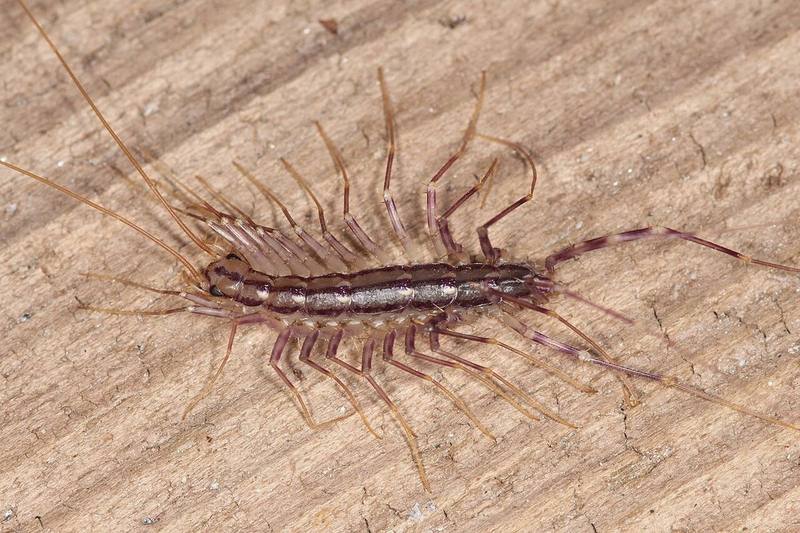
House centipede (Scutigera coleoptrata)

How serious: Harmless

Tonight

  1. Leave it or relocate it; it eats roaches, silverfish and spiders and does not damage anything.
  2. Dry out the basement or bathroom with a fan or dehumidifier.
  3. Seal gaps under doors and around pipes where they come in.

Our verdict

You can handle this

House centipedes are harmless predators of other household pests; seeing several means there is both moisture and prey to address, not a centipede problem to spray.

Call a pro if: Call only if they are constantly present and you want the underlying pest or moisture source diagnosed.

Have a local pest pro call you

Free. We pass your request to a licensed pest company that serves your zip.

We identify your bug and connect you with local licensed pest pros.

Have a photo? Send it to a local pro instead.

Rather do it yourself? Read what works and what to skip.

Prefer DMs? Comment BUG on our Instagram and we reply with your result.

Photo: Holger Krisp (CC BY 4.0)
More photos

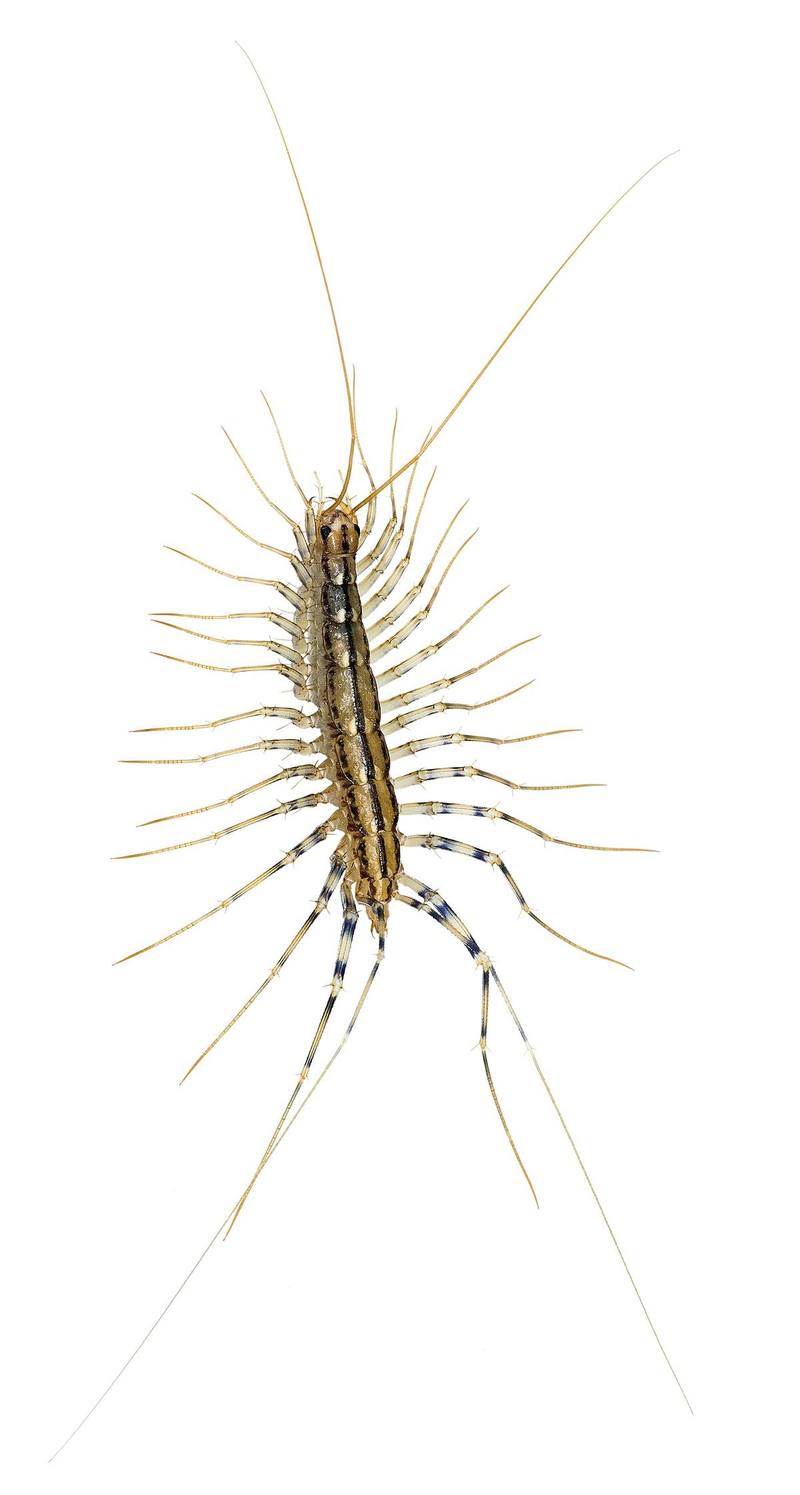
House centipede
Didier Descouens (CC BY-SA 4.0)

How to confirm it

  • Also called: hundred-legger, thousand legs, long-legged centipede
  • Color: yellowish-gray with three dark stripes, banded legs
  • Season: Year-round indoors; in cold climates they move into basements in fall and stay, while in the Sun Belt they come inside during hot dry spells or heavy rain.

Easy to confuse with

If you rent

Generally a nuisance tenants handle themselves; persistent dampness that attracts them is worth reporting.

If you go DIY

  • dehumidifier
  • door sweeps
  • caulk
  • sticky traps

Product categories only. See the DIY guide for how we link.

Just the tonight checklist

Common questions

Is a house centipede dangerous?+

On our 1 to 5 scale it is a 1. House centipedes are harmless predators of other household pests; seeing several means there is both moisture and prey to address, not a centipede problem to spray.

Can I get rid of house centipedes myself?+

You can handle this. Call a pro if: Call only if they are constantly present and you want the underlying pest or moisture source diagnosed.

I rent. Who handles it?+

Generally a nuisance tenants handle themselves; persistent dampness that attracts them is worth reporting.

When are they most common?+

Year-round indoors; in cold climates they move into basements in fall and stay, while in the Sun Belt they come inside during hot dry spells or heavy rain.

Sources